
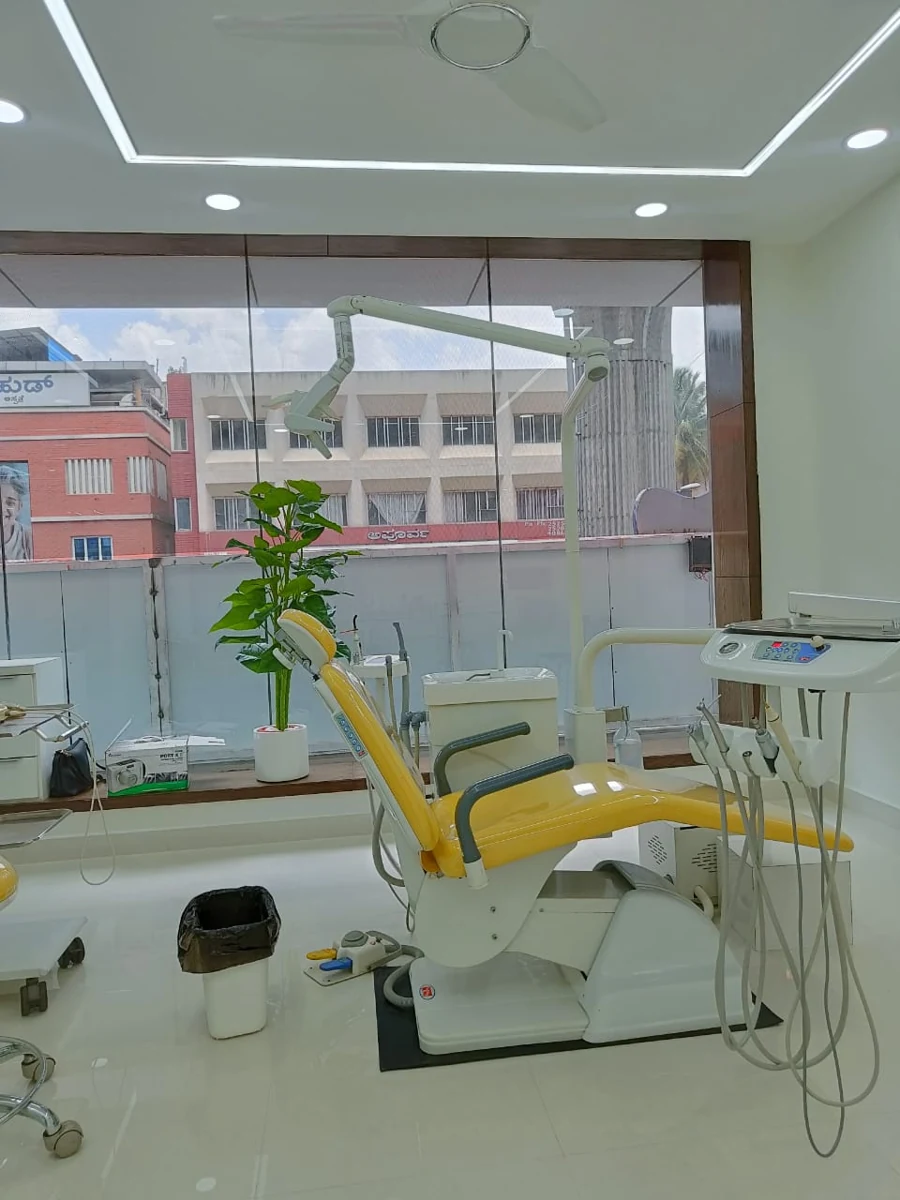
Understanding the procedure
The clinician accesses the canals, removes affected tissue, cleans and shapes the space and seals it. Anaesthesia and isolation help provide a controlled treatment environment.
Why a diagnosis matters
Tooth pain can have several causes. Clinical tests and appropriate imaging help decide whether canal treatment, another repair or a different approach is needed.
Protecting the treated tooth
A final filling, onlay or crown is chosen for the remaining tooth structure. Continue daily care and attend reviews so the tooth and restoration can be checked.
When root canal treatment may help
Deep decay, cracks or an injury can affect the pulp. Symptoms may include lingering sensitivity, pain on biting or swelling, but some affected teeth have few symptoms. Examination and appropriate imaging establish the cause and whether the tooth can be saved.
The treatment procedure
Local anaesthesia is used as appropriate and the tooth is isolated. The canals are accessed, cleaned, shaped and disinfected, then filled and sealed. A final restoration is needed to protect the tooth and restore its function.
Specialist techniques
Rotary instruments and microscopic magnification may be used where helpful. The choice depends on the tooth and clinical situation. All Care also provides assessment for re-treatment and single-visit care when suitable.
Make an informed choice.
Use this guide to prepare questions for a dental consultation. Your diagnosis, treatment suitability, number of visits and estimate depend on an individual examination. Tell the team about previous treatment, medical conditions and any concerns about comfort.
Further reading: American Dental Association · American Association of Endodontists
EXPLORE YOUR OPTIONS