
From diagnosis to sealing
Clinical tests and imaging help identify the source of pain. Root canal treatment then removes affected pulp, cleans and shapes the canals and seals them when indicated.
More than an initial root canal
A specialist may assess previous treatment, dental trauma or the need for selected surgical options. The condition of the tooth and surrounding tissues determines what is possible.
Restoration completes the plan
The tooth needs a suitable final repair to restore function and protect remaining structure. Ask about the restoration and follow-up before beginning canal treatment.
What an endodontist does
An endodontist evaluates problems affecting the inside of a tooth and the area around its roots. Assessment may include symptom history, clinical tests and imaging to identify the source of a problem and discuss treatment options.
Services and treatment options
Root canal treatment, endodontic re-treatment, assessment of dental trauma and selected surgical options such as apicoectomy are described on the original site. Availability and suitability depend on the findings for your tooth.
When to seek an assessment
Lingering sensitivity, pain when chewing, swelling or symptoms around a previously treated tooth warrant a dental assessment. A cracked or injured tooth can also need specialist review. Symptoms alone cannot confirm a diagnosis.
Care in focus.
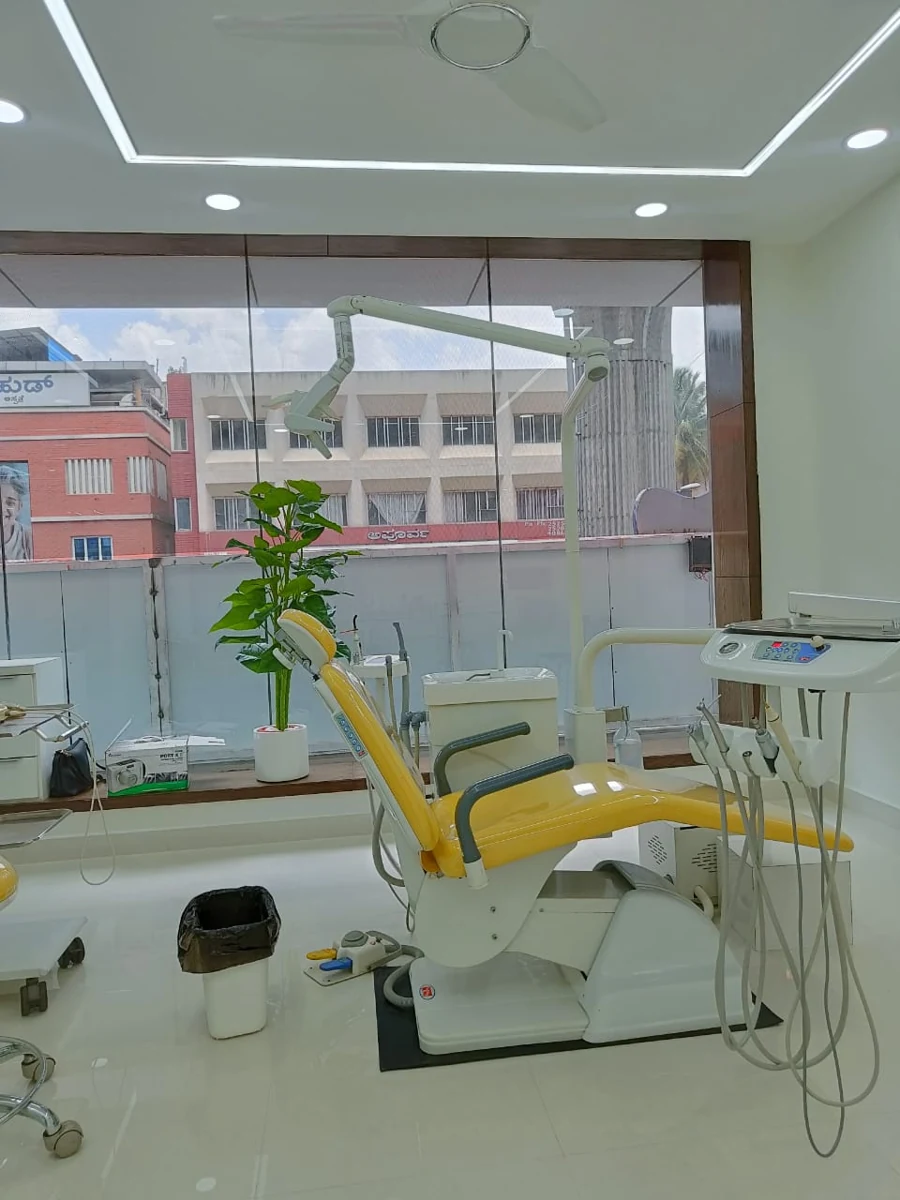
Treatment imagery from our original website. Illustrations and examples do not predict an individual result.
Make an informed choice.
Use this guide to prepare questions for a dental consultation. Your diagnosis, treatment suitability, number of visits and estimate depend on an individual examination. Tell the team about previous treatment, medical conditions and any concerns about comfort.
Further reading: American Dental Association · American Association of Endodontists
EXPLORE YOUR OPTIONS