
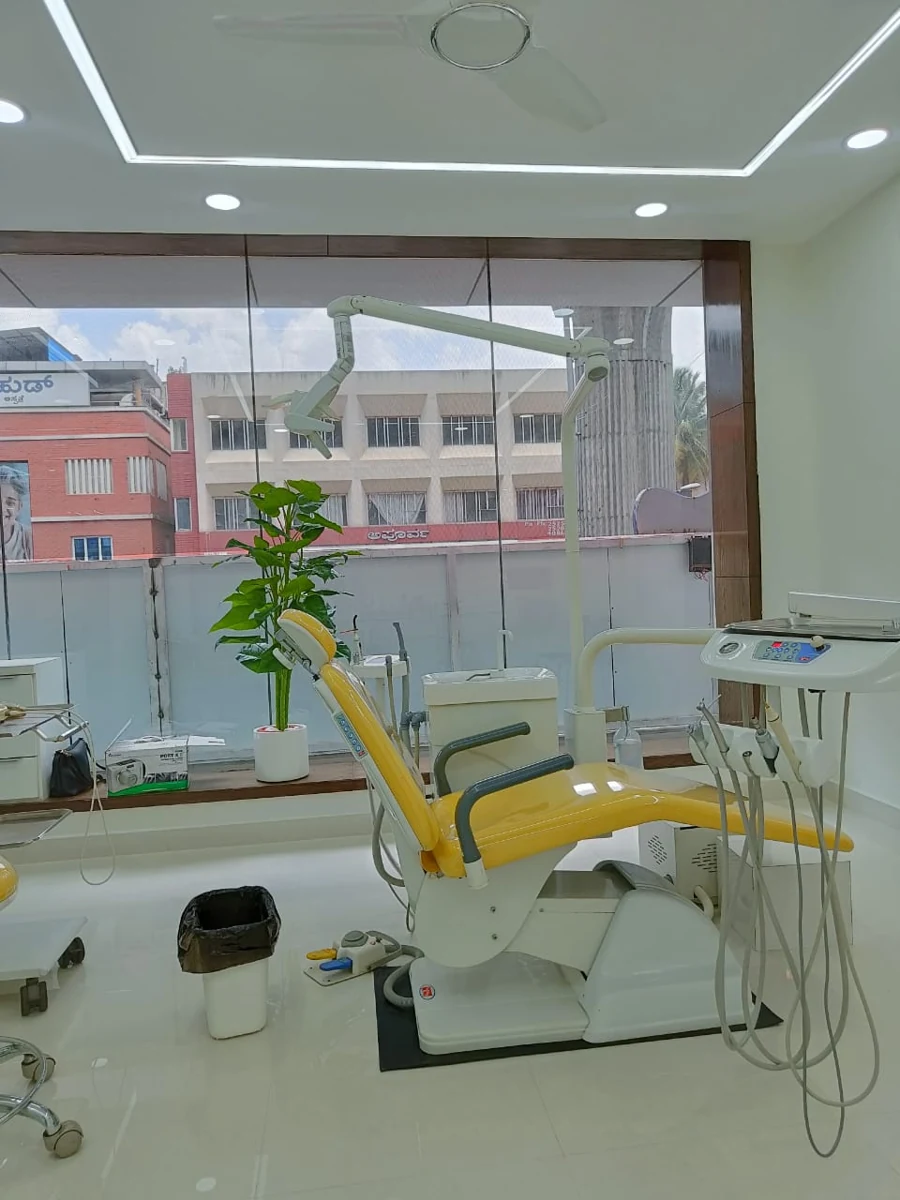
The role of an endodontist
Specialist assessment is useful for complex anatomy, re-treatment or an uncertain source of pain. Imaging and clinical tests guide the diagnosis and plan.
One visit or more?
A single treatment visit is suitable for some cases. Other teeth need staged care. The schedule is chosen for clinical reasons rather than as a promise of speed.
Aftercare is part of treatment
Arrange the recommended final restoration, follow cleaning instructions and attend reviews. Tell the clinic about persistent or increasing discomfort or swelling.
When root canal treatment may help
Deep decay, cracks or an injury can affect the pulp. Symptoms may include lingering sensitivity, pain on biting or swelling, but some affected teeth have few symptoms. Examination and appropriate imaging establish the cause and whether the tooth can be saved.
The treatment procedure
Local anaesthesia is used as appropriate and the tooth is isolated. The canals are accessed, cleaned, shaped and disinfected, then filled and sealed. A final restoration is needed to protect the tooth and restore its function.
Specialist techniques
Rotary instruments and microscopic magnification may be used where helpful. The choice depends on the tooth and clinical situation. All Care also provides assessment for re-treatment and single-visit care when suitable.
Make an informed choice.
Use this guide to prepare questions for a dental consultation. Your diagnosis, treatment suitability, number of visits and estimate depend on an individual examination. Tell the team about previous treatment, medical conditions and any concerns about comfort.
Further reading: American Dental Association · American Association of Endodontists
EXPLORE YOUR OPTIONS