Diagnosis comes first
Examination and suitable imaging help assess decay depth, symptoms and the stage of tooth development. Primary and permanent teeth have different treatment considerations.
Treatment selected for the tooth
A filling, pulp treatment or removal may be discussed depending on the findings. The dentist considers how long a primary tooth is expected to remain and the health of developing permanent teeth.
Preventing new decay
Help with age-appropriate brushing and ask about fluoride and diet. Frequent sugary snacks and drinks can contribute to decay. Follow the recommended review plan rather than waiting for pain.
Why children need dental care
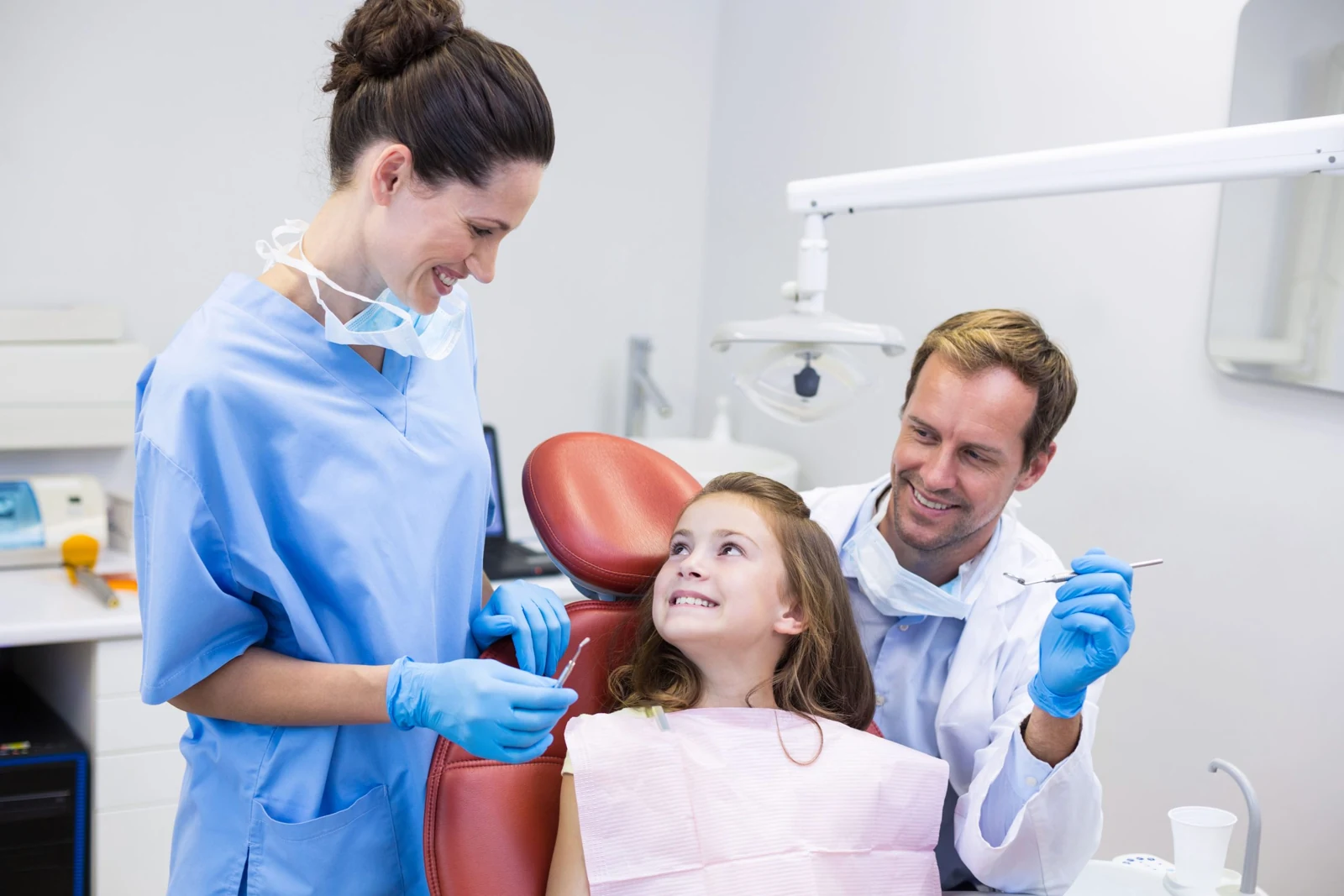
Primary teeth help children eat and speak and hold space for developing teeth. Decay and gum problems can affect them too. Early assessment allows guidance on cleaning, diet and habits as well as attention to any symptoms.
Care described on the original site
Check-ups, professional cleaning, preventive advice, fillings and assessment of developing alignment are part of the family care described. The dentist may discuss fluoride, sealants or other preventive measures according to the child’s needs.
Planning a visit
Tell the clinic about the child’s age, symptoms and previous dental experience when arranging an appointment. Bring relevant medical information. A first visit focuses on understanding the child’s needs, examining the mouth and discussing any care required.
Make an informed choice.
Use this guide to prepare questions for a dental consultation. Your diagnosis, treatment suitability, number of visits and estimate depend on an individual examination. Tell the team about previous treatment, medical conditions and any concerns about comfort.
Further reading: American Dental Association · American Association of Endodontists
EXPLORE YOUR OPTIONS