Primary teeth matter
Baby teeth support eating and speech and hold space for later teeth. They can develop painful decay and need assessment, even though they will eventually be replaced.
A positive first visit
Prepare with calm, simple language and share past experiences with the clinic. Bring relevant medical information. The dentist can guide parents on cleaning, diet and the timing of future reviews.
Prevention chosen for the child
Fluoride, sealants and other preventive measures may be discussed after assessing risk. They work alongside home care rather than replacing it.
Why children need dental care
Primary teeth help children eat and speak and hold space for developing teeth. Decay and gum problems can affect them too. Early assessment allows guidance on cleaning, diet and habits as well as attention to any symptoms.
Care described on the original site
Check-ups, professional cleaning, preventive advice, fillings and assessment of developing alignment are part of the family care described. The dentist may discuss fluoride, sealants or other preventive measures according to the child’s needs.
Planning a visit
Tell the clinic about the child’s age, symptoms and previous dental experience when arranging an appointment. Bring relevant medical information. A first visit focuses on understanding the child’s needs, examining the mouth and discussing any care required.
Care in focus.
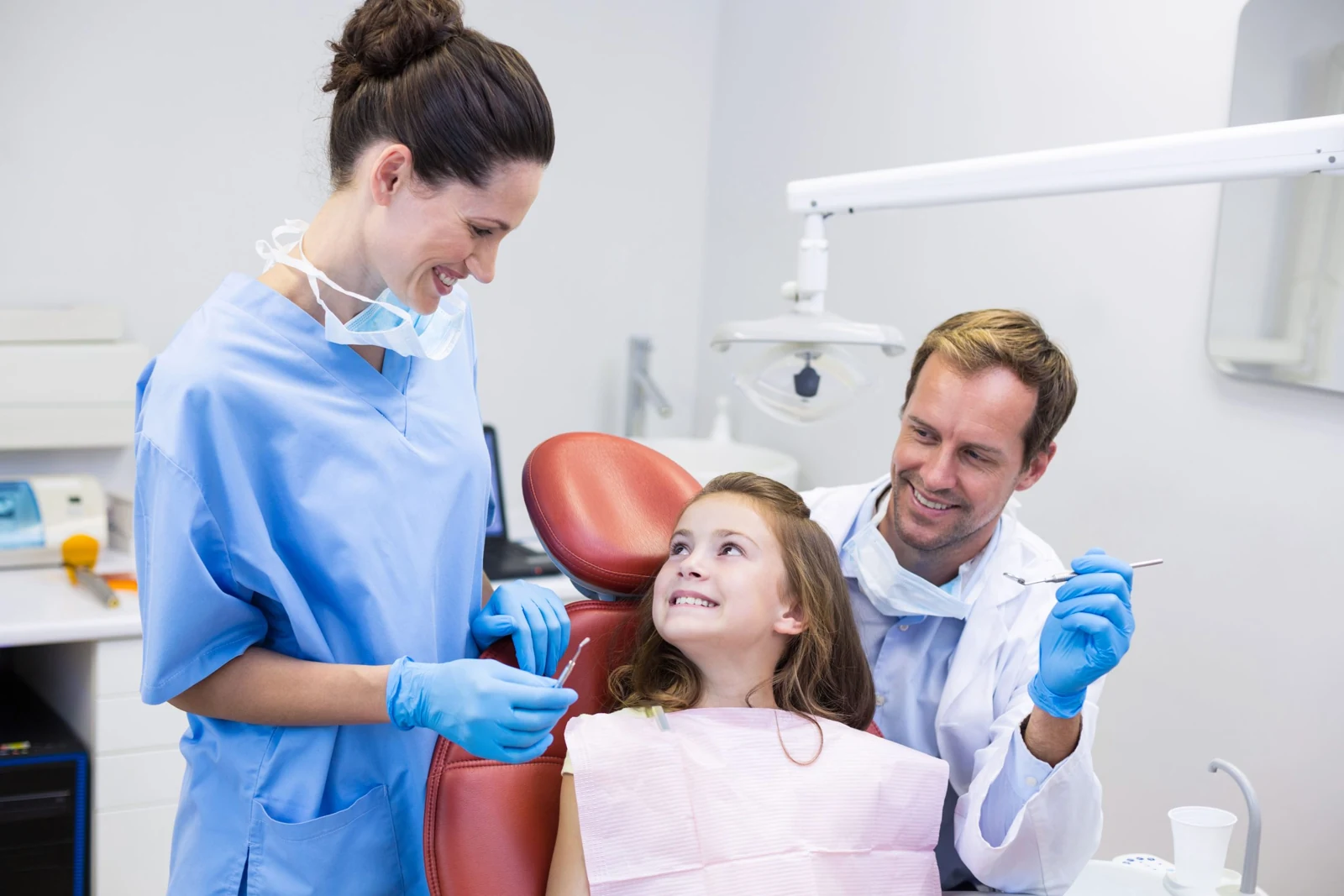
Treatment imagery from our original website. Illustrations and examples do not predict an individual result.
Make an informed choice.
Use this guide to prepare questions for a dental consultation. Your diagnosis, treatment suitability, number of visits and estimate depend on an individual examination. Tell the team about previous treatment, medical conditions and any concerns about comfort.
Further reading: American Dental Association · American Association of Endodontists
EXPLORE YOUR OPTIONS